
| Date | Speaker | Title |
|---|---|---|
| October 2 | Christina Chance | Whose Ground Truth? Diagnosing How Language Technologies Fail the Communities They Serve |
| December 4 | Atharva Kulkarni | TBD |
🚀 Upcoming Talks
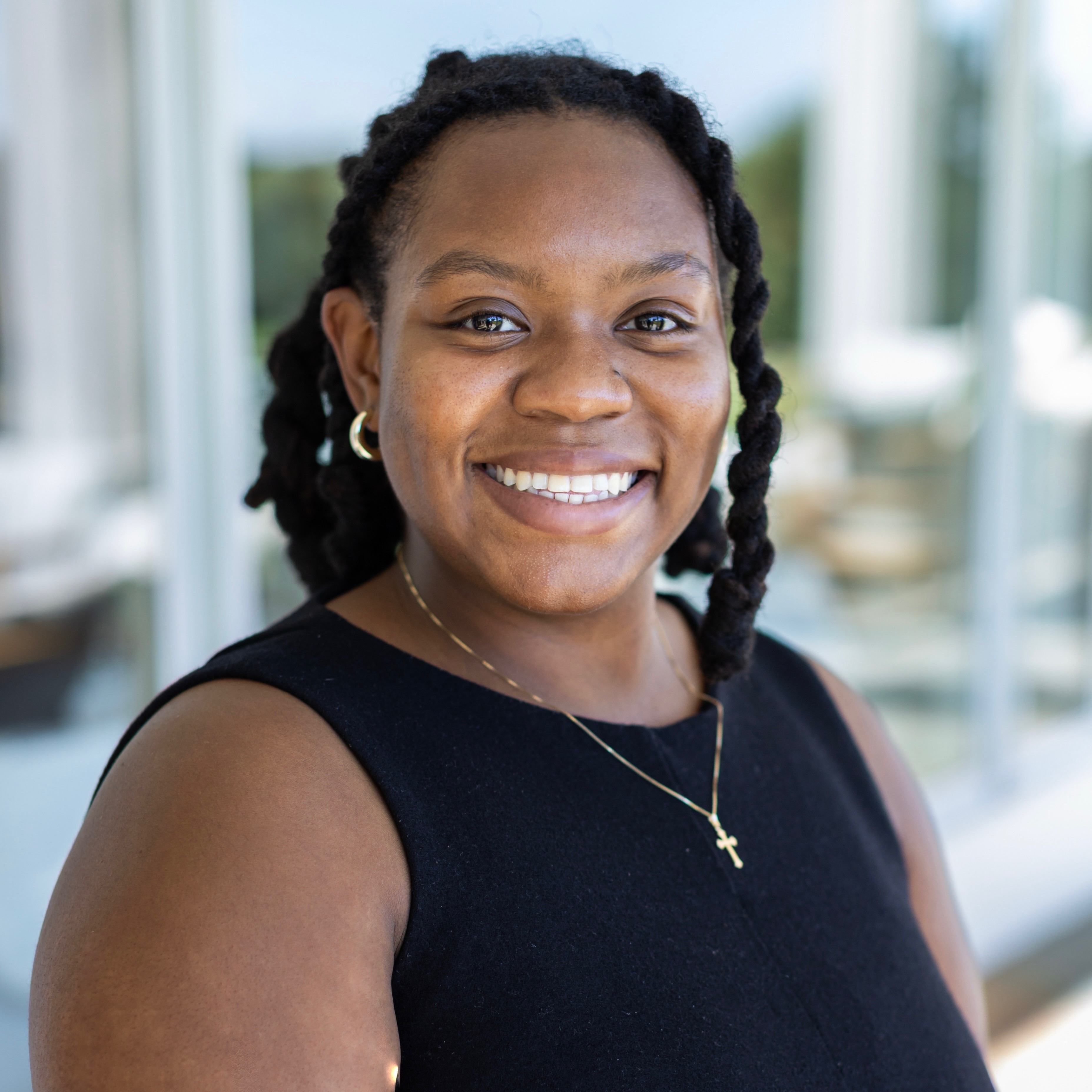
Whose Ground Truth? Diagnosing How Language Technologies Fail the Communities They Serve

 October 2, 2026, 2:00 PM PT
 Rm 289, Engineering VI
Speaker Bio:Christina Chance is a fifth-year Ph.D. candidate in Computer Science at UCLA, advised by Kai-Wei Chang in the UCLA NLP Lab. Her research diagnoses how language technologies fail marginalized communities, with a focus on subjective language, dialect variation, and content moderation. She builds datasets and evaluations that treat community disagreement and linguistic variation as signal to model rather than noise to resolve. She is supported by the Eugene V. Cota-Robles and GEM Fellowships. At UCLA, she serves as the department's Teaching Assistant Coordinator. She holds a B.S. in Mathematics and Computer Science from Emory University.
Abstract:Language technologies increasingly decide whose speech is seen, flagged, or removed, yet they treat meaning as stable and disagreement as noise. For marginalized communities, this assumption breaks: a word that is a slur in one context marks belonging in another. In this talk, I ask whether language technologies can support cultural pluralism. I first present IYKYK, a corpus of reclaimed slur usage showing that annotator disagreement is structured by community membership, and use it to test whether LLM-based moderation systems can distinguish reclaimed from derogatory use. I then present an audit of emotion recognition models showing how anger detection fails on African American English across Los Angeles. Together, these studies treat disagreement, dialect, and context as signal rather than noise. I close with my agenda for building modeling frameworks, methods, and tools for cultural pluralism through interdisciplinary collaboration.
Organizing Committee
Faculty
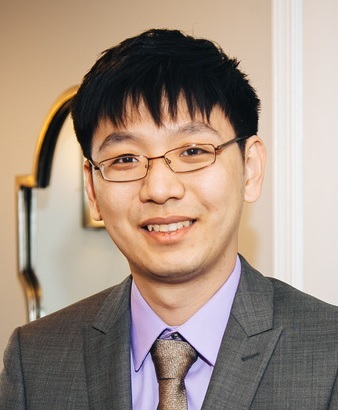
Prof. Kai-Wei Chang
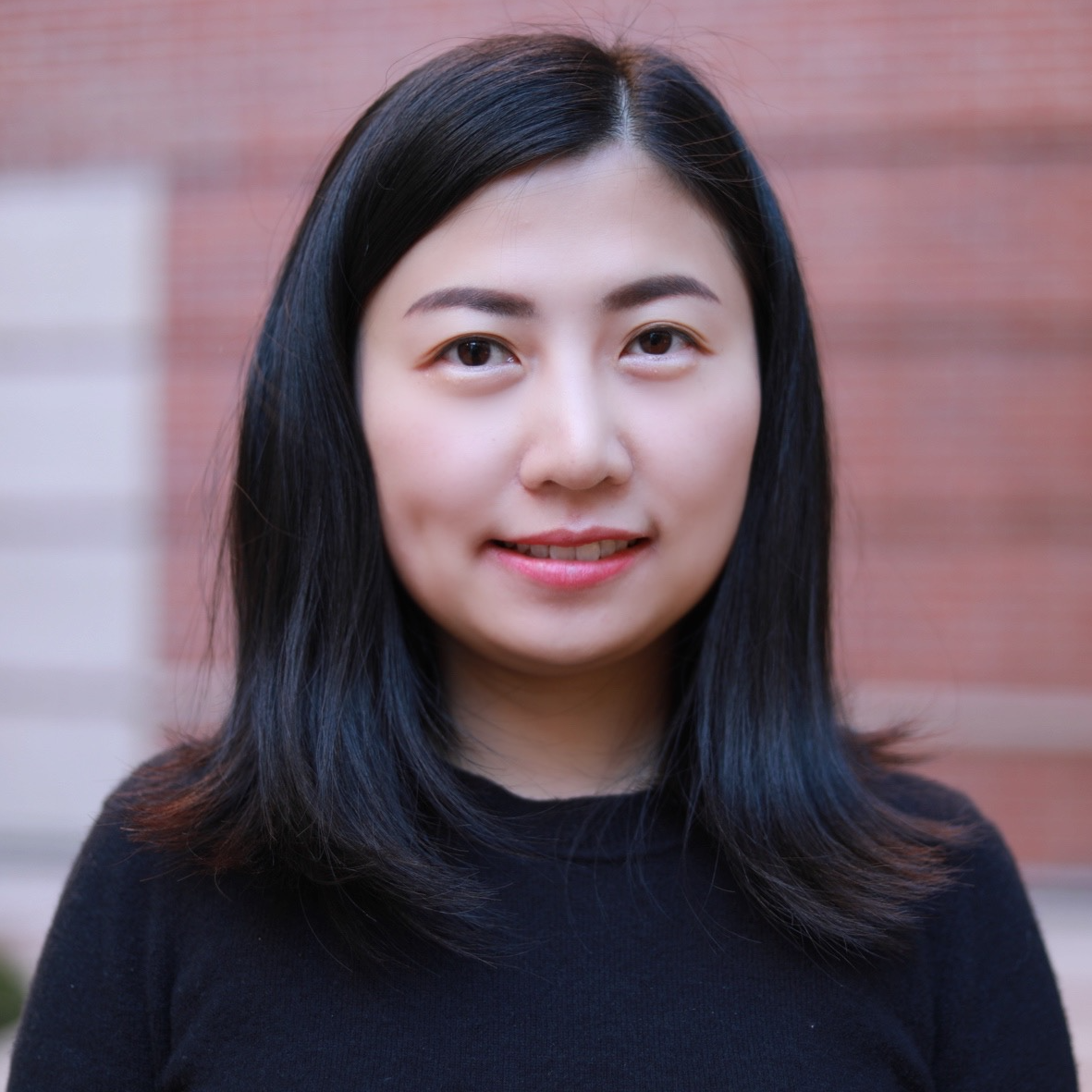
Prof. Nanyun Peng
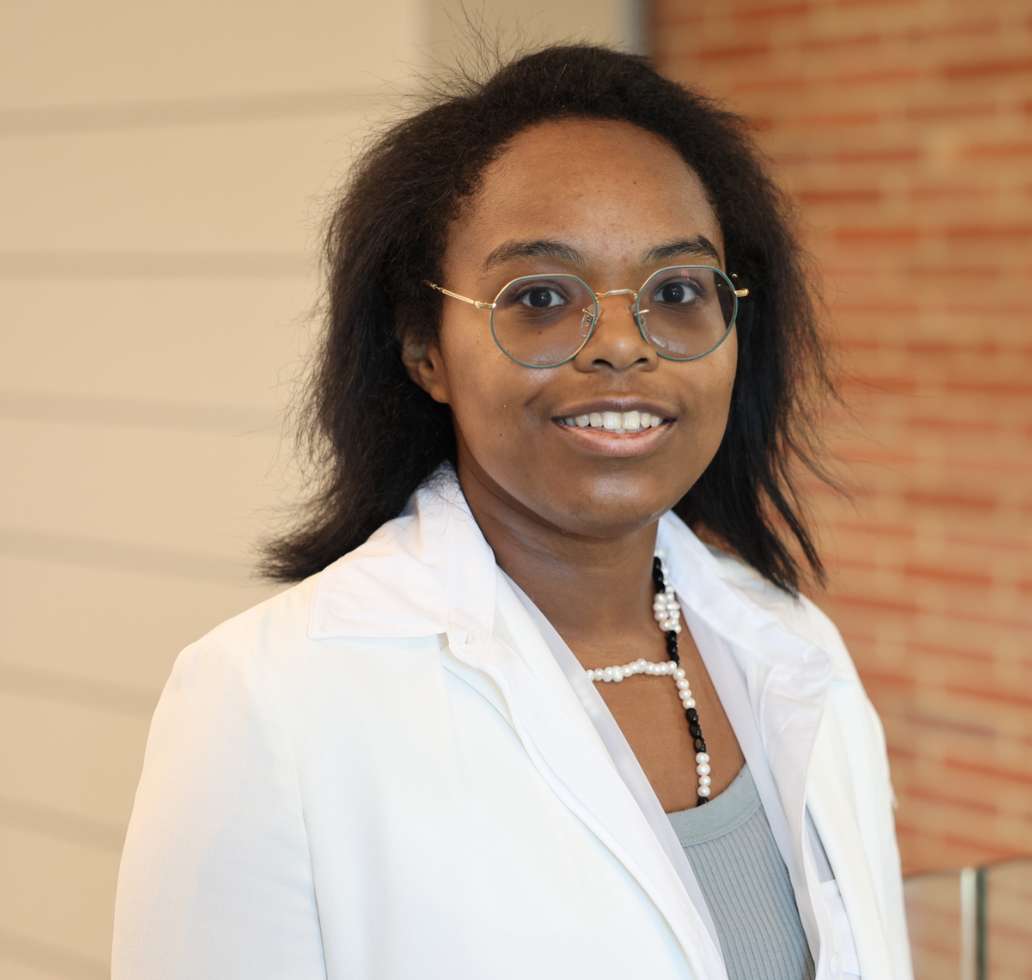
Prof. Saadia Gabriel
Prof. Elisa Kreiss
Students
Tanmay Parekh
Mohsen Fayyaz
Ashima Suvarna

Yingjia Wan
Salman Rahman

Lucas Bandarkar